Equestrian Mental Health
Ontario Equestrian is committed to supporting the well-being of both animals and the people who ride, coach, and support them.
Mental wellness affects everyone, including athletes, coaches, and staff, as well as the horses, since healthy riders = healthier horses.
This page will help you find support and resources to help yourself or those in your equestrian community.
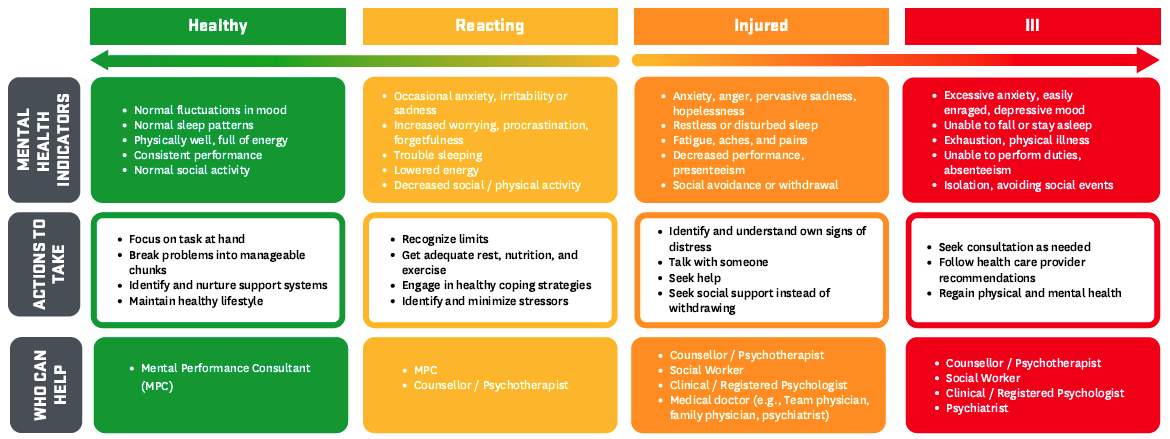
Prevention and Intervention for Mental Health Challenges
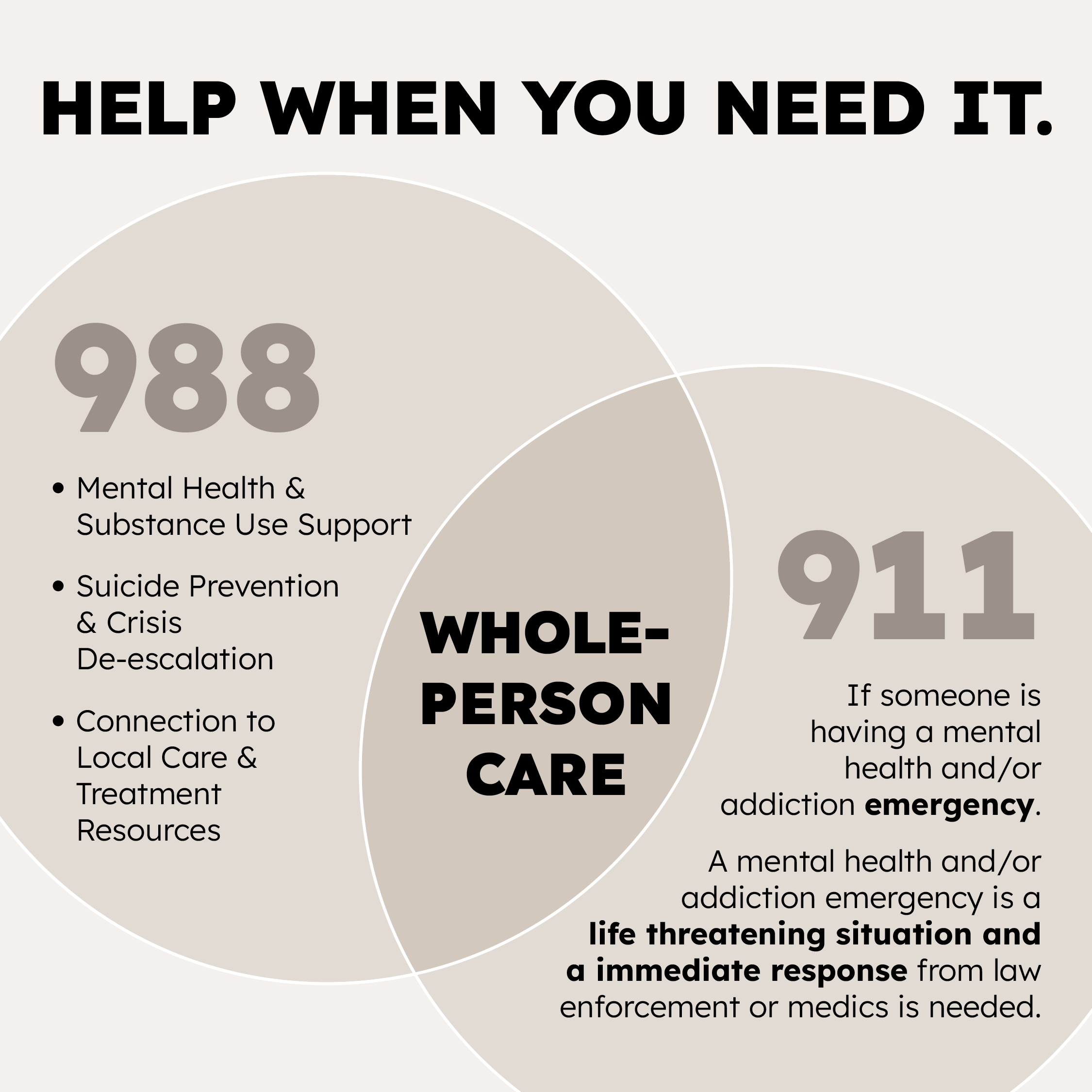
Immediate crisis support
If you, or someone you know, needs help right away, these options are available:
Mental Health resources

Mental Health Resources for everyone
This site includes a variety of accessible resources on mental health, including fact sheets, explanatory briefs, and guides tailored for individuals of all ages—from teens and parents to young and older adults. These materials offer clear, practical information to help people better understand mental health, recognize challenges, and find support for themselves or others.
A free online resource (elearning) built around five Golden Rules for supporting someone who is struggling. There is also a free two-hour Be There Certificate course on recognizing when someone needs help, responding safely, and looking after your own mental health.
Founded by a Toronto family after the loss of their daughter Sasha, the Sashbear Foundation offers an evidence-based Family Connections program at no charge for family and friends of someone living with emotional dysregulation, along with an Expert Education Series and information about suicide.
Mental health support built for Canadian agriculture and rural communities, so the language and the culture will feel familiar to many in the equestrian world. The site includes AgTalk peer support, a crisis contact directory, and the Hay Are You OK self check-in tool.
Mental Health Resources for athletes
Competitive sport can be stressful for athletes. Organizational pressures, performance outcomes, and personal stressors are a few of the experiences that can weigh heavily on an athlete. Anxiety is a common byproduct of chronic stress. If you, or someone you know, is dealing with anxiety, perfectionism, mood changes, sleep issues, body image or eating disorders, or any other mental health issues, this resource shared by the Canadian Sport Institute, Ontario, provided by the Canadian Olympic Committee's Game Plan program, contains many links to resources to help provide some direction.
For AAP Carded or National Team AThletes
AAP carded athletes are eligible for up to $2500/year of mental health services from a Game Plan-approved mental health practitioner. For athletes who are not carded but who are on the national team, they can create a free account and access a variety of mental health resources through Homewood Health, which recently partnered with Game Plan in 2025.
Worried about someone in your community?
Access additional resources for yourself or others on a variety of mental health issues from the Canadian Mental Health Association